
- All
- Product Name
- Product Keyword
- Product Model
- Product Summary
- Product Description
- Multi Field Search
English
Views: 0 Author: Site Editor Publish Time: 2025-12-15 Origin: Site


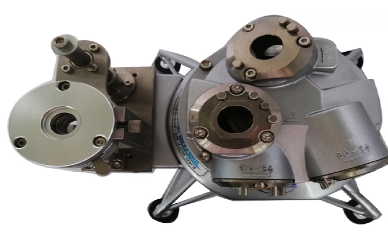
End Mill Resharpening is a vital process in tool maintenance that ensures the longevity and effectiveness of end mills, which are commonly used for precision cutting in various manufacturing applications. Over time, end mills wear down and lose their sharpness, reducing their performance and cutting efficiency. End Mill Resharpeners play a crucial role in restoring these tools to their original cutting condition, making them a valuable asset in any workshop. These machines are designed to precisely grind and sharpen the edges of end mills, ensuring that they maintain their cutting capabilities. The significance of having an end mill resharpener in the workshop lies in its ability to save on tool procurement costs, restore tool performance, and extend tool life. By resharpening instead of replacing tools, manufacturers can achieve significant cost savings while also improving cutting efficiency, ensuring consistent quality, and reducing downtime.
An End Mill Resharpener is a machine used to restore the cutting edges of worn or damaged end mills. These tools are crucial for precision machining, and as they wear, they lose sharpness, impacting performance. Resharpening is an effective way to extend tool life, reduce costs, and maintain consistent cutting performance.
The resharpener grinds the edges of end mills to restore cutting ability. The process includes:
Grinding the cutting edges, including the flutes, back angles, and end faces.
Restoring the tool’s geometry, such as rake and clearance angles, to ensure optimal cutting performance.
Re-shaping the tool to match its original design for high precision.
These machines use advanced grinding technology to ensure the tool performs like new, restoring more than 95% of its original cutting ability.
CNC-Controlled Resharpeners
CNC machines offer automation and precision for high-volume, consistent resharpening. They can handle various tool types and sizes, making them ideal for industrial settings where precision and efficiency are essential.
Manual Resharpeners
Manual machines require operator involvement for adjusting grinding parameters. While more affordable, they are best suited for smaller operations or occasional resharpening. These machines require more skill from the operator to ensure precise results.
Multi-Axis Resharpeners
These machines use multiple axes to grind tools from various angles. They are versatile and capable of handling complex geometries, such as spiral flutes or multi-edge tools, making them ideal for high-precision tasks in specialized industries.
An End Mill Resharpener can lead to significant cost savings by reducing the need for frequent tool replacements. Instead of purchasing new tools for every wear and tear, resharpening allows you to reuse end mills, which cuts down on procurement costs. Resharpening extends the life of your tools, allowing for multiple uses before needing to replace them, making it a more economical choice for workshops with high tool usage.
Resharpening tools in-house with a End Mill Resharpener is much faster and more precise compared to outsourcing or relying on manual sharpening methods. With modern machines, the sharpening process is automated, reducing the time and labor involved. This increased efficiency helps minimize downtime, improving overall workflow and productivity in your workshop.
By restoring cutting edges, an End Mill Resharpener ensures that tools perform like new, maintaining or even improving their cutting efficiency. Resharpening brings the tool back to its optimal performance, allowing for clean and precise cuts, which is critical for maintaining high-quality production standards. Properly sharpened end mills also reduce tool wear and improve tool life.
Using an End Mill Resharpener contributes to sustainability by reducing waste. Instead of discarding worn-out tools, resharpening allows you to reuse them, which decreases the amount of discarded metal and reduces your workshop’s environmental footprint. This eco-friendly approach supports a more sustainable manufacturing process while also benefiting your bottom line.
One of the most critical features of an End Mill Resharpener is its precision grinding capability. To restore cutting tools to their optimal performance, it’s essential to have accurate settings and calibration for grinding angles, speeds, and depths. Advanced grinding technology, such as high-speed spindles and fine-grit grinding wheels, ensures that the cutting edges are reshaped precisely, providing sharp, smooth edges that meet the exact specifications of the original tool. This precision is essential for maintaining tool performance and achieving high-quality machining results.
The clamping and positioning systems in an end mill resharpener play a crucial role in ensuring accurate tool alignment during the sharpening process. A secure clamping system ensures that the end mill remains fixed in the correct position throughout the grinding process, preventing any movement that could result in inaccurate sharpening. By accurately positioning the tool, these systems help achieve consistent and repeatable results, which is critical for maintaining tool quality and precision.
Modern End Mill Resharpeners are equipped with advanced monitoring systems that ensure high-quality sharpening. These systems include:
AI algorithms that can assess the wear condition of the tool and automatically adjust the grinding parameters for optimal results.
3D laser measurement systems that monitor the tool’s dimensions in real time, ensuring that each tool is sharpened to the correct specifications.
Feedback loops that provide continuous data on the grinding process, enabling operators to make adjustments as needed and avoid potential errors during sharpening.
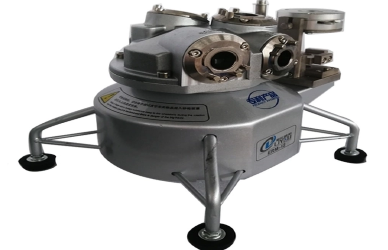
Selecting the right end mill resharpening machine is essential for tool performance, cost savings, and workshop efficiency. Key factors to consider include tool size, type, production volume, and precision requirements.
Tool Size & Type: Ensure the resharpener accommodates the diameter, flute count, and geometry of your most-used tools. Different end mills (e.g., ball nose or multi-edge) require specific grinding features.
Production Volume: Smaller shops may benefit from manual or semi-automated machines, while high-volume operations need CNC-controlled or automated systems for faster, more consistent results.
Matching the machine to your tool types and production volume helps optimize your investment.
Precision Needs: For high-precision applications (e.g., aerospace, medical), choose a machine capable of consistent, tight tolerances.
Advanced Features: Machines with CNC control and multi-axis grinding offer higher precision, making them ideal for demanding tasks.
Investing in a high-precision machine improves the tool's performance and overall machining quality.
Select a machine based on your specific needs to avoid under- or over-investing. If your shop sharpens tools occasionally, a manual or semi-automatic resharpener may suffice. For shops requiring high throughput or precision, an automated system is a better fit.
Choosing the right machine increases efficiency, reduces downtime, and lowers long-term costs.
Manual Resharpeners: Affordable, best for small shops or occasional use.
Semi-Automatic Resharpeners: Ideal for medium workloads, balancing precision and cost.
CNC Resharpeners: Fully automated for high-volume, high-precision sharpening.
Multi-Axis Systems: Suited for complex tools requiring multi-angle grinding.
Each option offers unique benefits, from cost-effective manual machines to high-efficiency CNC systems for demanding production.
Yes, End Mill Resharpeners can handle various tool types, including 2-edge, multi-edge, and coated tools. Machines can be adjusted for different tool sizes and geometries, and some advanced models, like multi-axis CNC resharpeners, can accommodate complex shapes. However, always verify the machine’s compatibility with specific tool types and coatings.
Resharpening is much more cost-effective than buying a new tool. It restores the end mill to over 95% of its original performance, extending its life by 3-5 times. New tools are more expensive, and resharpened tools can offer similar performance, making tool maintenance a more affordable long-term option.
Key maintenance tasks for an End Mill Resharpener include:
Calibration for accuracy.
Cleaning of the machine and grinding parts.
Inspection of tools (e.g., grinding wheels) for wear.
Lubrication of moving parts.
Regular upkeep ensures optimal performance and consistent results.
Manual resharpeners are cost-effective and suitable for smaller shops but require more skill and time. They may lack the precision and efficiency of automated CNC machines, which offer faster, more consistent results, especially for high-volume or high-precision tasks. Manual systems are ideal for occasional use, while automated machines are better for frequent or demanding sharpening.
Having an End Mill Resharpener in your workshop offers numerous benefits, including cost savings, extended tool life, and improved cutting performance. By resharpening tools rather than replacing them, you can significantly reduce tool procurement costs and minimize waste. Additionally, resharpening restores cutting edges, ensuring your tools perform like new, which enhances overall productivity and machining accuracy. Investing in a resharpener is a wise decision for any workshop looking to improve operational efficiency, reduce downtime, and maximize the longevity of tools. Over the long term, a well-maintained resharpener not only saves money but also ensures high-quality, reliable results, making it a valuable asset for any machining operation.


