
- All
- Product Name
- Product Keyword
- Product Model
- Product Summary
- Product Description
- Multi Field Search
English
Views: 0 Author: Site Editor Publish Time: 2025-12-11 Origin: Site


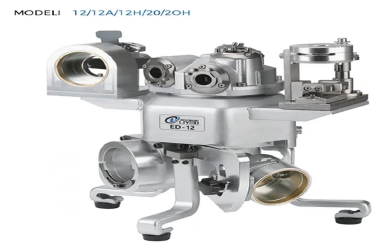
End Mill Resharpening is a critical aspect of tool maintenance that significantly extends the lifespan and performance of end mills. Over time, end mills experience wear due to constant use in cutting, which can lead to reduced precision and efficiency in machining operations. Resharpening these tools restores their cutting edges, ensuring they perform at their best, improving the quality of the workpiece and reducing the need for frequent replacements. Using an End Mill Resharpening Machine provides a highly efficient and cost-effective solution for this process. These machines offer several benefits, including the ability to restore cutting performance to over 95% of the original tool, saving up to 60% of tool procurement costs. They also enhance the tool's lifespan, allowing it to be used 3-5 times longer. Features such as advanced CNC control, intelligent visual recognition, and precise clamping systems ensure the grinding process is highly accurate, with minimal human intervention. The use of such a machine guarantees precise grinding of complex geometric surfaces, improving overall productivity and reducing downtime in manufacturing.
Before beginning the resharpening process, inspect the tool for visible wear, damage, or irregularities. Look for signs of chipping, dullness, or uneven cutting edges, which can affect the tool's performance. Pay close attention to the geometry of the tool, as wear on specific parts (such as the cutting edges, peripheral edges, or spiral grooves) may require different grinding techniques.
Next, evaluate the type of tool you’re working with. End mills can have different edge configurations, such as 2-edge, 4-edge, or even 12-edge designs. Knowing the exact type of tool will help you select the appropriate grinding settings for each, such as the grinding angle and rotational speed, ensuring optimal results during the resharpening process.
Once the tool is inspected, it’s time to set up the machine for resharpening. First, ensure that the machine is calibrated and properly maintained. This includes checking for any mechanical issues, ensuring the grinding wheel is clean and sharp, and verifying that the system's software or CNC controls are functioning correctly.
Next, adjust the machine settings to suit the specific tool being resharpened. This may involve setting the rotational speed, adjusting the grinding angle, and positioning the tool correctly for optimal grinding. The settings should be customized based on the type of end mill and the desired outcome (e.g., precise repair of cutting edges, restoration of geometry).
Finally, select the correct clamping system to ensure that the tool is securely held in place during the grinding process. A high-precision clamping system will prevent any movement that could affect the accuracy of the resharpening, ensuring that the tool maintains its original geometry and functionality.
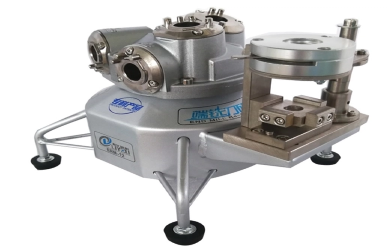
The first step in operating the End Mill Resharpening Machine is to load the tool securely into the machine's clamping system. Proper alignment is critical to ensure the tool is positioned correctly for the grinding process. This prevents any unwanted movement that could affect the precision of the sharpening. Carefully check the tool’s orientation and ensure it fits snugly in the clamping system to avoid any misalignment during the grinding process.
Once the tool is securely in place, double-check the settings that were configured during setup, including the rotational speed, grinding angle, and other relevant parameters. Confirm that the machine is set to the correct specifications for the type of end mill you’re sharpening. This step ensures that the tool will be ground with the highest level of accuracy from the very start.
With the tool securely positioned and settings verified, start the machine to begin the grinding process. Watch closely as the machine begins to work on the tool. Many modern machines are equipped with visual indicators or machine feedback systems that allow you to monitor the grinding process in real-time. These indicators can show if the tool is grinding correctly or if any adjustments are needed.
During this step, it’s essential to adjust the settings if needed to achieve the best possible grinding performance. If the machine’s feedback suggests any irregularities or if there are noticeable vibrations or errors, make slight adjustments to the settings, such as reducing the grinding pressure or modifying the tool's position. This will help ensure the tool maintains its original geometry and high performance.
As the grinding process continues, closely monitor the tool for precision and wear. If your machine has advanced features like 3D laser measurement or an AI system, use them to track the tool's condition in real-time. These systems help detect any issues, such as irregular wear patterns or misalignments, and can automatically adjust the grinding process to ensure the highest precision.
Make any necessary adjustments during the grinding process, such as modifying the back angle or correcting any radial runout (the tool’s deviation from its central axis). These adjustments are crucial for maintaining tool performance, especially if the wear is uneven or the tool has complex geometry. Proper monitoring and adjustment throughout the grinding process will ensure that the end mill is restored to its optimal cutting condition, extending its lifespan and enhancing machining accuracy.
After the grinding process, inspect the tool to ensure it meets the required specifications. Measure the back angle, check edge sharpness, and verify the overall precision of the tool. Evaluate the tool’s appearance to confirm the grinding process was consistent and effective, ensuring the tool has been restored to its original performance.
Next, clean the tool to remove any remaining dust or debris from the grinding process. It’s important to ensure that the tool is free from any grinding residue that could affect its performance. Also, clean the machine to prevent any dust buildup that could impact future operations and maintain the longevity of the equipment.
Once the tool is clean, reinstall it into the machining equipment for use or place it in the appropriate tool storage. Ensure it is properly reinstalled to maintain its precision during operation, ensuring optimal performance in the next cutting task.
The frequency of resharpening depends on factors such as tool usage, material hardness, and desired cutting precision. Tools used in high-demand environments or with harder materials may require more frequent resharpening. Additionally, if high cutting accuracy is needed for a specific job, resharpening more often may be necessary. Monitoring the tool’s performance and inspecting for signs of wear (e.g., reduced cutting efficiency or visible damage) will help determine the right time for resharpening.
Yes, the End Mill Resharpening Machine is designed to handle various types of end mills, including 2-edge, multi-edge, and coated vs. uncoated tools. The machine can be configured for different tool types and sizes, making it versatile for general-purpose use and specialized tools. However, ensure that the machine is compatible with the specific requirements of the tool you are working with, as some highly specialized tools may require specific settings or equipment.
Common mistakes include:
Incorrect alignment: Failing to properly align the tool in the machine can lead to uneven grinding and reduced tool performance.
Inappropriate machine settings: Using incorrect settings for the tool type or material can result in poor sharpening, which affects the tool's cutting ability.
Inadequate tool inspection: Not inspecting the tool before and after grinding can result in undetected wear or damage, reducing the tool’s effectiveness.
To avoid these, ensure proper alignment, verify settings before grinding, and conduct thorough inspections before and after the process.
To ensure optimal tool performance, focus on:
Accurate settings: Make sure the machine settings (grinding angle, speed, and position) match the tool’s specifications.
Monitoring the grinding process: Continuously monitor the grinding process to adjust any settings if needed to maintain precision.
Post-grinding inspection: After sharpening, inspect the tool for proper back angles, edge sharpness, and overall precision to ensure it meets the required standards for the next machining task.
To achieve optimal results when using the End Mill Resharpening Machine, it’s essential to follow the proper steps: inspect the tool for wear, set up the machine with accurate settings, load the tool securely, initiate the grinding process, and monitor progress throughout. After grinding, inspect the tool for precision and clean both the tool and machine to maintain performance. Regular maintenance of both tools and machinery is key to ensuring consistent results and extending tool life. Keeping the machine well-calibrated and the tools sharp not only improves cutting performance but also leads to significant cost savings by reducing the need for frequent tool replacements.


