
- All
- Product Name
- Product Keyword
- Product Model
- Product Summary
- Product Description
- Multi Field Search
English
Views: 0 Author: Site Editor Publish Time: 2025-12-22 Origin: Site


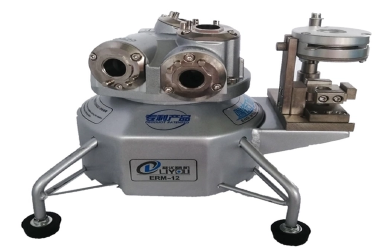
End Mill Resharpening is a critical aspect of tool maintenance, ensuring that cutting tools maintain their sharpness and performance over time. As end mills wear down, their ability to cut effectively diminishes, leading to poor surface finishes, slower cutting speeds, and increased tool wear. This is especially true when machining exotic materials like titanium, inconel, and high-performance alloys, which are known for their hardness, toughness, and tendency to generate heat during machining. These materials require precise and efficient cutting tools to achieve the desired results without excessive tool wear. Tool wear in such environments can significantly affect machining efficiency and accuracy. Resharpening these tools helps restore their sharp cutting edges, ensuring that they can continue to perform at optimal levels, maintaining high cutting efficiency and extending tool life. By regularly resharpening end mills, manufacturers can reduce downtime, lower tool replacement costs, and maintain high-quality machining standards when working with challenging materials.
Exotic materials like titanium, inconel, and high-performance alloys are known for their exceptional hardness and toughness. These materials pose significant challenges for machining, as their dense structure resists cutting, leading to rapid tool wear. The increased hardness of these materials requires end mills to have durable cutting edges that can withstand the stress of prolonged cutting. Over time, the toughness of these materials can dull the tool, reduce its cutting efficiency, and result in poor surface finishes. Therefore, maintaining sharp cutting edges through end mill resharpening is essential for prolonging tool life and ensuring consistent performance when machining such materials.
During machining, exotic materials tend to generate high cutting temperatures due to their hardness and the intense friction at the tool-workpiece interface. These elevated temperatures can lead to tool degradation, causing the cutting edges to lose their hardness and wear more quickly. Sharp, efficient tools are required to minimize heat buildup and ensure clean cuts. If the tools are not properly resharpened and maintained, they can overheat, causing material build-up on the tool and accelerating wear. Regular resharpening helps maintain the tool's cutting ability, ensuring it can withstand the heat generated when machining high-temperature materials.
Exotic materials often require machining with intricate tool paths and precise cutting to achieve the desired shapes and finishes. This complexity is especially true for parts with tight tolerances or fine features. The precision needed for these applications makes it even more critical to maintain sharp cutting edges. As end mills wear down, they become less effective at handling these delicate operations, leading to inaccuracies and increased scrap rates. Resharpening tools restores their ability to handle these complex geometries effectively, ensuring that the tools perform optimally and produce high-quality results, even when working with challenging materials.
End mill resharpening plays a crucial role in restoring cutting edges to their original geometry, ensuring that the tool performs at its best, especially when machining tough exotic materials like titanium and inconel. Over time, tools become worn down due to the intense stresses of cutting hard materials, causing the cutting edges to become dull. By resharpening the tool, these edges are restored, ensuring they are sharp and capable of efficiently cutting through the tough, heat-resistant materials. This restoration of the tool geometry enables better precision and more efficient cutting, reducing errors and improving overall machining performance.
Maintaining sharp tools through regular resharpening directly impacts cutting efficiency. Sharp end mills cut more effectively, allowing for faster cutting speeds and better surface finishes. When machining hard alloys and exotic materials, a sharp tool can maintain its cutting ability under the intense heat and pressure, reducing friction and preventing excessive wear. This not only increases the speed at which materials are machined but also helps achieve smooth surface finishes without sacrificing precision. Resharpening tools ensures they are always in optimal condition, keeping your operations efficient and reducing cycle times.
Regular resharpening extends the tool life of end mills, particularly when working with exotic materials. Instead of constantly replacing worn tools, resharpening can allow a tool to be reused multiple times. When tools are resharpened, they are brought back to their original performance levels, allowing them to continue cutting effectively through tough materials. This extension of tool life reduces the cost of tool replacements and ensures consistent performance over a longer period. Additionally, resharpening helps prevent premature tool failure, which can lead to downtime and costly production delays, making it a cost-effective strategy for maintaining long-term machining efficiency.
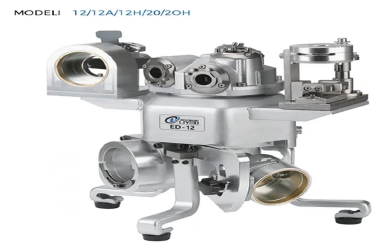
Customizing grinding angles and tool geometry is crucial when resharpening tools for exotic materials like titanium or inconel. These materials require specific rake angles and clearance angles to reduce cutting forces and minimize heat buildup. Adjusting flute geometry and helix angles also aids in efficient chip removal and smoother finishes, ensuring tools perform optimally under tough conditions.
Exotic materials generate high temperatures during machining, which can damage tools. During resharpening, using proper cooling and lubrication is essential to prevent tool overheating and maintain hardness. Coolants or lubricants keep tools cool, preserving their cutting performance and preventing thermal damage. Effective cooling also ensures precise geometry and accurate grinding results.
Coatings like TiN, TiAlN, and AlTiN enhance tool durability and cutting performance when machining exotic materials. During resharpening, care must be taken not to damage the coating, as improper grinding can degrade its effectiveness. Preserving the coating helps maintain tool longevity, heat resistance, and cutting efficiency, ensuring tools continue to perform well with tough materials.
Resharpening tools instead of replacing them can significantly lower overall machining costs, especially when working with exotic materials like titanium or inconel. These materials often require expensive tools, and regular resharpening allows manufacturers to extend tool life by 3 to 5 times, reducing the need for frequent replacements. Resharpening helps offset the high upfront cost of tools and maximizes their usage, making it a cost-effective strategy for high-performance machining.
Resharpening contributes to sustainability by reducing the number of tools that need to be disposed of. Instead of discarding worn-out tools, resharpening allows for reuse, helping to cut down on tool waste and material consumption. This eco-friendly approach reduces the environmental footprint of machining operations, supporting a more sustainable manufacturing process while also saving on raw materials and energy used to produce new tools.
Resharpening ensures that the tool geometry is consistently restored, which is crucial for maintaining repeatability and precision when machining exotic materials. As tools wear down, their cutting performance deteriorates, leading to inconsistent results. By regularly resharpening, you can ensure that tools continue to perform at optimal levels, producing consistent, high-quality finishes and maintaining tight tolerances across multiple runs. This consistency is vital in industries where precision and high-quality outputs are critical.
Yes, end mill resharpening can handle tools used for Inconel or titanium, but requires careful adjustments. These materials demand precise grinding angles and tool geometry. Special attention is needed to manage heat buildup during resharpening, with proper cooling techniques to preserve tool performance.
Resharpening removes a thin layer of coatings like TiN or TiAlN to restore sharpness. If not done properly, it can damage the coating, reducing its effectiveness. Using precision resharpening machines designed to protect coatings ensures tools maintain optimal performance for exotic material machining.
Yes, CNC-controlled or multi-axis resharpening machines are ideal for high-performance alloys and exotic materials. These machines offer precision, customizable grinding angles, and automated features, making them perfect for complex tool geometries and tough material requirements.
The advantages of resharpening include:
Cost savings by reusing expensive tools.
Improved tool performance with restored sharpness.
Increased efficiency, reducing downtime for tool changes and maintaining consistent production.
End Mill Resharpening plays a critical role in optimizing performance when machining exotic materials such as titanium, inconel, and other high-performance alloys. By restoring the cutting edges of tools, resharpening ensures that they can maintain their sharpness and cutting efficiency, even under the tough conditions these materials present. Regular resharpening not only provides cost savings by extending tool life but also helps maintain precision and repeatability in machining operations. In high-performance environments, where tool performance directly impacts production quality, resharpening offers long-term value by reducing downtime and the need for frequent tool replacements. Overall, end mill resharpening is a cost-effective and sustainable solution, improving both the efficiency and longevity of tools while ensuring consistent high-quality results when machining challenging materials.


