
- All
- Product Name
- Product Keyword
- Product Model
- Product Summary
- Product Description
- Multi Field Search
English
Views: 0 Author: Site Editor Publish Time: 2025-12-16 Origin: Site


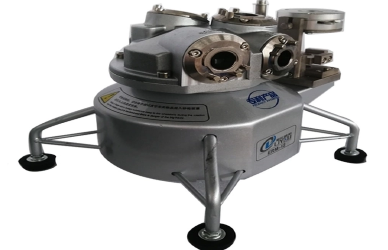
In any machining operation, the ability to maintain and restore the cutting performance of tools is crucial for ensuring efficiency and cost-effectiveness. End Mill Resharpeners are specialized machines designed to restore the sharpness and precision of worn or damaged end mills, making them a valuable asset for any workshop. Compared to other tool sharpening equipment, such as CNC grinders or manual sharpening machines, End Mill Resharpeners provide a more targeted and cost-effective solution for end mill maintenance. This article explores the value of using an end mill resharpener in your workshop, highlighting the benefits of cost savings, improved tool performance, and extended tool life. Additionally, we’ll compare the resharpener’s performance with that of other common sharpening tools, helping you determine which option offers the best value for your specific needs.
One of the primary advantages of using an End Mill Resharpener is the significant cost savings it offers. Rather than constantly purchasing new end mills, resharpening allows you to reuse tools that have been worn down, reducing the need for frequent replacements. This is especially beneficial in high-volume operations, where the cost of buying new tools regularly can add up quickly. Resharpening offers a budget-friendly alternative, making it a sustainable choice for workshops aiming to minimize operational costs.
Resharpening restores the cutting edges of end mills to their original performance levels, ensuring that tools cut efficiently and precisely. Over time, the cutting edges of end mills become dull or damaged, impacting their ability to perform tasks accurately. By using an End Mill Resharpener, the tool's geometry is carefully restored, allowing it to maintain its sharpness and cutting capacity. This performance restoration ensures that the tool can continue delivering high-quality results, preventing issues like poor surface finishes or imprecise cuts.
Resharpening significantly extends the life of end mills, allowing them to be used multiple times before needing to be replaced. Instead of discarding tools once they’ve become worn, resharpening rejuvenates them, providing 3 to 5 times longer tool life. This prolonged use of the same tool not only saves money on purchasing new tools but also reduces the environmental impact associated with frequent tool disposal. The ability to reuse tools efficiently makes resharpening an environmentally friendly and cost-effective solution for workshops.
An End Mill Resharpener plays a critical role in maintaining efficiency and precision in machining processes. The precision grinding capabilities of resharpening machines ensure that tools are restored to their exact specifications, allowing them to perform with the same cutting accuracy as when they were new. This high level of precision is vital for ensuring optimal cutting performance and achieving tight tolerances in parts manufacturing. Additionally, a well-maintained tool leads to less downtime and smoother machining operations, which enhances overall productivity.
Precision: High – Ideal for high-precision tasks in industries like aerospace and medical.
Cost: High – Requires significant investment and ongoing maintenance.
Automation: High – Fully automated, reducing human error and increasing efficiency.
Ease of Operation: Complex – Requires skilled operators and programming knowledge.
Speed: Fast – Automated features make sharpening quicker.
Tool Versatility: Low to Medium – Best for specific tasks, like end mills.
Best for: High-precision, high-volume tasks in demanding industries.
Precision: Medium – Sufficient for less demanding tasks, but not as precise as CNC grinders.
Cost: Low – Affordable and suitable for small workshops.
Automation: None – Fully manual, requiring operator input.
Ease of Operation: Simple – Easy to operate with minimal training.
Speed: Slow – More time-consuming due to manual adjustments.
Tool Versatility: Low – Usually limited to specific tool types like end mills.
Best for: Occasional sharpening in low-volume shops.
Precision: Low to Medium – Effective for drills but not ideal for end mills.
Cost: Low – Inexpensive and focused on drill sharpening.
Automation: None – Manual operation with no automation.
Ease of Operation: Simple – Quick and easy to use.
Speed: Fast – Designed for quick sharpening of drills.
Tool Versatility: Low – Primarily for drills.
Best for: Dedicated drill sharpening.
Precision: Medium to High – Can handle multiple tools with good precision.
Cost: Medium – More expensive than manual sharpeners, but less than CNC grinders.
Automation: Low to Medium – Some automation, but requires manual adjustments.
Ease of Operation: Medium – Requires more setup than manual machines.
Speed: Medium – Slower than CNC machines due to manual setup.
Tool Versatility: High – Can sharpen various tools, including end mills and drills.
Best for: Versatile tool sharpening in workshops needing flexibility.
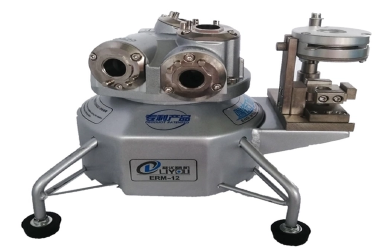
The type of tool you intend to sharpen plays a significant role in choosing the right sharpening equipment. Different tools, such as end mills, drills, and routers, require different sharpening machines:
End Mill Resharpeners are designed specifically for restoring the cutting edges of end mills, with features suited to handle various geometries like flutes and spiral edges.
Drill Sharpeners are designed for quickly and effectively sharpening twist drills, focusing on the cutting angles and relief surfaces.
Universal Tool Grinders are versatile, capable of sharpening a range of tools including end mills, drills, and routers, offering flexibility but with the trade-off of potentially less precision for specific tool types.
Choosing equipment that is tailored for the tool type you most frequently use ensures optimal performance and tool life restoration.
The scale of your operations and the frequency of sharpening needs will influence your equipment choice:
Low-volume or occasional sharpening may only require a manual sharpener or a simple semi-automatic resharpener, which offers affordability and ease of use.
High-volume production requires faster, more automated systems like CNC grinders or multi-axis resharpeners that can handle frequent tool sharpening with consistent precision, reducing downtime and increasing productivity.
Aligning your equipment choice with production volume helps ensure efficiency and cost-effectiveness in the long term.
The required precision and tolerances of the tools you are sharpening will significantly influence your equipment choice:
High-precision applications, such as those in aerospace or medical industries, require CNC resharpeners or multi-axis grinders that can restore cutting edges to tight tolerances.
For general machining tasks, manual sharpeners or semi-automated grinders may suffice, offering enough accuracy without the need for complex automation.
Ensuring that your equipment matches your precision needs is crucial for maintaining high-quality production standards.
Finally, the cost and maintenance requirements of sharpening equipment should be carefully considered:
Manual machines are the most cost-effective option upfront, but they may require more labor and result in slower sharpening, which could impact productivity.
CNC and automated systems have a higher initial investment but offer faster, more precise results and require less operator involvement. These systems can pay off in the long run with increased productivity and fewer tool replacements.
Maintenance costs also play a role. Automated systems may have higher maintenance and calibration needs, while manual machines generally require simpler upkeep.
Yes, End Mill Resharpeners are efficient in high-volume settings, offering faster and more precise sharpening than manual methods. For large-scale operations, resharpeners with automation can handle multiple tools quickly. However, for extremely high volumes or greater precision, CNC grinders or multi-axis systems may be more suitable.
Yes, many End Mill Resharpeners can handle complex tool geometries like ball nose or helical tools, especially those with multi-axis grinding systems. However, for highly specialized shapes, additional machines may be needed. Ensure the resharpener is versatile enough for your specific tool requirements.
Consider the following:
Tool Usage: If end mills are frequently used, resharpening is cost-effective.
Cost-effectiveness: Compare the cost of resharpening vs. constantly buying new tools.
Production Needs: For high-volume use or precision work, automated machines are ideal. Manual machines suit occasional needs.
Evaluating these factors will help determine the right investment for your shop.
Yes, key maintenance tasks include:
Calibration to ensure accuracy.
Cleaning to remove debris and prevent buildup.
Tool Inspection and replacement of worn parts.
Lubrication of moving components.
In conclusion, End Mill Resharpeners offer significant advantages in terms of cost savings, tool performance, and extended tool life, making them a valuable investment for many workshops. They provide an efficient and precise solution for restoring cutting tools, especially when compared to manual sharpening methods. When choosing a resharpener, factors like tool usage, production volume, and precision requirements should be considered to ensure the equipment meets your specific needs. Regular maintenance is essential to keep the machine in top condition, ensuring consistent and reliable results over time. Overall, an End Mill Resharpener can improve productivity, reduce tool costs, and enhance machining efficiency, making it a smart choice for workshops looking to optimize their operations.


