
- All
- Product Name
- Product Keyword
- Product Model
- Product Summary
- Product Description
- Multi Field Search
English
Views: 0 Author: Site Editor Publish Time: 2026-05-23 Origin: Site


A tool and cutter grinder helps you sharpen and shape tools. These tools are used in machining. You put the cutting tool on the machine. The grinding wheel takes off material. This brings back the tool’s edge or makes new shapes. Today, people use fewer manual machines. They use more CNC and multi-axis models. These machines are faster and more exact.
CNC technology makes things more accurate and repeatable. Multi-axis machines can make hard shapes. Automation saves money on workers and cuts down on errors.
Market Segment | 2025 Value (USD Billion) | 2035 Value (USD Billion) | CAGR (%) |
|---|---|---|---|
CNC Tool and Cutter Grinding Machine | 4.665 | 6.834 | 3.89 |
CNC Automatic Tool and Cutter Grinders | 1.2 | 1.9 | 5.5 |
You can see that tool and cutter grinders are very important in factories today.
A tool and cutter grinder is used to sharpen tools that get dull. Sharpening a tool brings back its cutting power. This saves money because you don’t have to buy new tools often. It also helps the environment by creating less waste. Reconditioning makes tools last longer and work better. When your tools stay sharp, you can cut faster and make more parts in less time.
You can sharpen drills, reamers, and milling cutters.
You can fix tools to their original shape.
Sharp tools cut faster, so you get more done.
You spend less time changing tools because they stay sharp.
Tip: Sharpening and reconditioning tools regularly with a universal grinder helps them last longer and keeps production running well.
A tool and cutter grinder does more than just sharpen tools. It can also form and shape cutting tools. This means you can make special angles or shapes on tools like milling cutters. You can use either a manual or CNC grinder for this. Many grinders have a universal design that lets you adjust them for different shapes and sizes.
You can grind exact angles for precise cutting.
You can shape tools for special jobs like making gears or broaches.
A fixed grinding wheel and a moving spindle help get the right shape.
You can switch between manual and CNC control for more options.
A universal tool and cutter grinder gives you the ability to grind many types of cutting tools. This makes it easier to do different jobs without buying many machines.
A tool and cutter grinder is very important in machining. You need sharp and accurate tools to make good parts. If tools are dull, parts have rough surfaces and wrong sizes. A precision grinder keeps your tools in great shape. This leads to better grinding and better results.
Grinding machines can reach very small tolerances, just a few micrometers. This accuracy is needed in industries like aerospace and medical devices. Using a universal grinder keeps your tools sharp and parts accurate. Regular grinding also saves energy and reduces tool wear.
Here is a table showing the main jobs of a tool and cutter grinder in machining:
Function/Application | Description |
|---|---|
Sharpening Multipoint Tools | Restores drills, reamers, and milling cutters. |
Accurate Grinding of Angles | Makes precise angles for single-point tools. |
Surface Grinding | Creates smooth, flat surfaces. |
Tool Grinding | Sharpens and shapes cutting tools. |
Broach Grinding | Forms axisymmetric shapes. |
Internal Grinding | Works on the inside diameter of a part. |
Helical Grinding | Makes spurs or helical gears. |
Internal & Outer Cylindrical Grinding | Grinds parts mounted on centers. |
Wheel Dressing Grinding | Keeps the grinding wheel in good shape. |
Step Grinding | Makes small, precise adjustments. |
You can see why tool and cutter grinding is needed in machining. These machines keep your tools sharp, parts accurate, and production efficient.
If you know the main parts of a tool and cutter grinder, you can use it better. You can also pick the right machine for your job. Each part is important for grinding, shaping, and sharpening tools with great accuracy. Here is a table that lists the main parts and what they do:
Component | Function |
|---|---|
Tool mounting | Holds the tool in place with collets, chucks, or centers on a spinning spindle. |
Wheel selection | Picks the right abrasive wheel for the tool’s material, like diamond wheels for carbide. |
Axis positioning | Moves the grinding head along X, Y, and Z axes. CNC grinders can control up to six axes. |
Profile generation | Grinds the tool’s edges, flutes, or angles using programmed moves or jigs. |
Measurement and inspection | Checks tool size and shape for accuracy with laser or touch probes. |
The grinding wheel and workhead are the most important parts of the grinder. The wheel takes off material to sharpen or shape the tool. You need to pick the right wheel for your tool’s material. Diamond wheels are good for carbide tools. Other wheels work better for high-speed steel.
Here are some common sizes for grinding wheels and workheads:
Specification | Metric | Inch |
|---|---|---|
Maximum Workpiece Diameter | 305 mm | 12 inches |
Maximum Workpiece Length | 3200 mm | 126 inches |
Grinding Spindle Speed | 10,000 rpm | 10,000 rpm |
Peak Spindle Horsepower | 7 kW | 10 hp |
Maximum Grinding Wheel Diameter | 203 mm | 8 inches |
Universal tool and cutter grinders use these wheels for many jobs. They can handle hard tool shapes and do many grinding tasks. These grinders work with lots of tool materials, so they are useful in many shops.
The table holds your tool and moves it during grinding. The spindle spins the tool or the grinding wheel. The motor makes the spindle and table move. These parts work together for smooth and accurate grinding.
New grinders, like CNC models, use motors to control many axes. This helps you grind hard shapes with great accuracy. The table and spindle move in different ways to reach all parts of the tool. This makes grinding easier and cuts down on manual work.
Control systems help you use the grinder safely and well. CNC systems let you program grinding paths with high accuracy. This lowers mistakes and lets you make hard tool shapes easily.
Safety features have sensors and feedback systems that watch the grinder. These systems change how the grinder works to stop accidents and damage. They also make grinding faster by needing less manual work.
Feature | Benefit |
|---|---|
Precision | CNC programming gives exact grinding, so there are fewer mistakes and better quality. |
Efficiency | Automated grinding makes work faster and saves on labor costs. |
Safety | Sensors watch the machine to keep it safe and steady. |
Tip: Pick a grinder with good control systems to keep your tools and workers safe and get the same good results every time.
When you know the main parts of a tool grinder, you understand how it works. This helps you choose the best grinder and get great results from your work.
There are many types of tool and cutter grinders. Each type is made for different jobs. They have special features to help you sharpen, shape, or make new tools.
A universal cutter grinder is very flexible. You can use it to grind, sharpen, and shape many cutting tools. It works with tools made from high-speed steel, carbide, and other alloys. You can change the angles and add accessories to fit your job. Some models let you add CNC features for more automation.
Capability/Application | Description |
|---|---|
Functionality | Can do many jobs like grinding, sharpening, and shaping tools. |
Tool Compatibility | Works with cutting tools made from HSS, carbide, and alloys. |
Grinding Operations | Uses grinding wheels to remove material and shape tools. Angles can be changed for accuracy. |
Versatility | Has accessories for different tasks and tool shapes. |
Precision and Accuracy | Can grind tools very precisely by controlling angles. |
Automation and CNC Integration | Some models have CNC for automatic and repeatable grinding. |
Safety Features | Has safety locks, emergency stops, and covers to protect users. |
A universal cutter grinder can do many jobs in your shop. This is why many toolmakers and machinists like it.
CNC and 5-axis tool and cutter grinders are advanced machines. They use computers to move the grinding wheel and tool in many directions. A 5-axis grinder can reach many faces and angles in one setup. You do not have to move the part by hand. This saves time and makes the work more accurate.
You can make complex shapes and curves with high precision.
5-axis machines let you work on all sides of a tool without turning it by hand.
You get smoother finishes and tighter sizes.
These machines help you make big parts faster and with better quality.
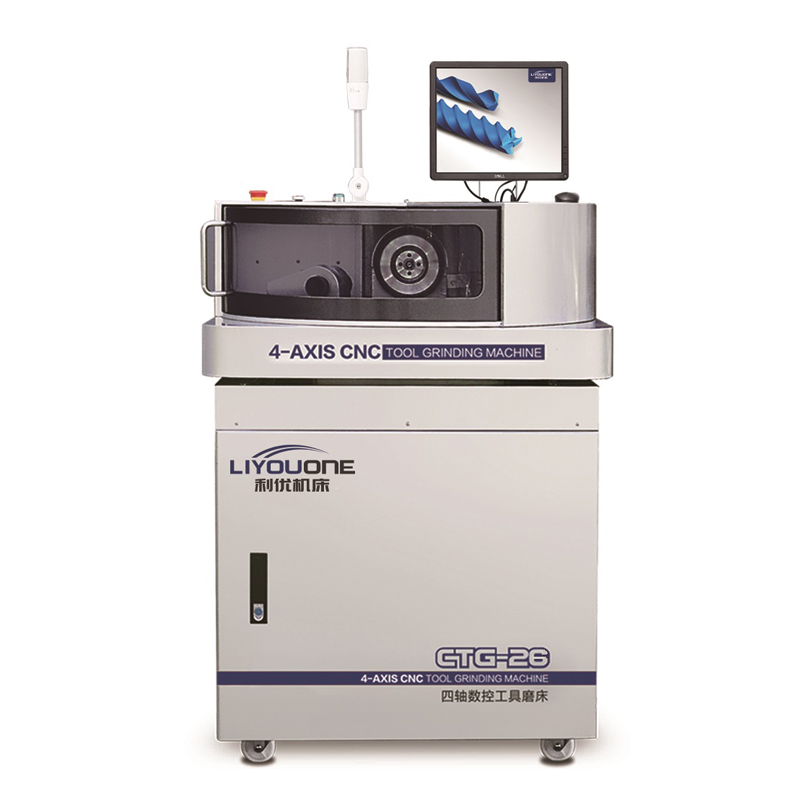
The Liyou 4-Axis CNC Tool Grinding Machine is a good example of new CNC grinders. It has an easy-to-use screen, a database for quick changes, and can use many grinding wheels. This machine is good for small and medium batches and many product types.
You can pick manual or automated tool and cutter grinders. Manual machines cost less and are simple to set up. You need more skill to use them. They are best for easy jobs or small batches. Automated machines, like a CNC cylindrical grinder, can do hard shapes and lots of work. They cost more but give better accuracy and need less help from people.
Feature | Manual Grinders | CNC Grinders |
|---|---|---|
Initial Cost | Lower Investment | Higher Investment |
Precision Level | Moderate Accuracy | High Precision (±0.001mm) |
⚙️ Operation Complexity | Simple Tasks | Complex Geometries |
Production Volume | Small-Scale Operations | High-Volume Production |
Maintenance | Easier to Maintain | More Complex Maintenance |
Operator Skill Required | Higher Skill Level | Lower Skill Level |
Setup Time | Quick Setup | Longer Programming Time |
Factories now use more automated and multi-axis machines. These new CNC grinders help you keep up with modern manufacturing. When you know the types of grinders, you can choose the best one for your shop.
You start operating a tool and cutter grinder by preparing your workspace and machine. Clean the area around the grinder to remove dust and debris. Check that the grinding machine is in good condition. Inspect the grinding wheel for cracks or damage. Make sure all guards and shields are in place. Secure the tool you want to grind using the correct fixture or clamp. Select the right grinding wheel for your tool’s material, such as steel or carbide. Adjust the grinder’s table and spindle to match the tool’s shape and size. Set the correct speed for the grinding operations. Always wear safety goggles, gloves, and ear protection before you begin.
You can follow this step-by-step guide to grinding tools for the best results:
Understand the material specifications of your tool. This helps you choose the right abrasive.
Choose the correct grinding wheel for your application and tool material.
Adjust the grinder’s speeds and feeds to match the wheel and material.
Apply coolant during grinding to keep the tool cool and extend its life.
Maintain the correct grinding angles for accuracy.
Inspect the grinder and equipment for wear or damage before each use.
After grinding, check the tool’s surface finish and size to make sure it meets your needs.
This step-by-step guide to grinding tools helps you get sharp, accurate tools every time. You can use these steps for drills, milling cutters, or special tools.
You must follow safety practices when operating a tool and cutter grinder. Always wear personal protective equipment like safety glasses, gloves, and hearing protection. Inspect the grinder and grinding wheel before each use. Make sure all guards are in place and working. Only use the grinder if you have proper training. Secure your workpiece so it does not slip. Use the right wheel for your material and check the wheel speed. Keep your clothing fitted and tie back long hair. Clean the area around the grinder to prevent accidents. Regular maintenance keeps your grinder safe and reliable.
Tip: Safe grinding keeps you and your coworkers protected while improving your results.
Tool and cutter grinders are used in many places. These machines keep tools sharp for work. They also help make new tools for special jobs. Here is a table showing where tool and cutter grinders are used:
Industry | Typical Uses |
|---|---|
Job Shops | Reshaping and sharpening cutting tools |
Toolrooms | Maintaining sharp, accurate tools |
Mold-Making Facilities | Precision tool geometry for molds |
CNC Machining Centers | Reducing downtime and improving finish quality |
Aerospace | Tightly controlled tool geometry |
Medical Device Manufacturing | Consistent tool performance for precision parts |
Precision Mold Making | High-quality tool grinding for complex shapes |
Many industries depend on these machines for good results and speed.
Modern tool and cutter grinders have many benefits. They use more automation and give better accuracy. Multi-axis machines can grind hard shapes easily. Automation cuts down on manual work and keeps results the same. CNC controls and digital screens help you set up jobs fast and repeat them with high accuracy.
Advantage | Description |
|---|---|
Enhanced Automation | Intelligent systems forecast tool wear and optimize grinding parameters automatically. |
Improved Precision Tolerances | Multi-axis grinding technology maintains accuracy with many material types. |
Greater Material Versatility | Handles high-strength alloys and composites for flexible production. |
CNC grinders help you set up tools quickly and get the same results every time.
Automated cycles make your work faster.
Digital controls make grinding easier and more accurate.
The Liyou 4-Axis CNC Tool Grinding Machine is special. It has a simple 3D screen and works with many tools. You can use it for small or medium batches and different products. One person can run several machines, which saves time and work.
When picking a tool and cutter grinder, think about what you need. Look at the material you want to grind and the kind of work you do. Think about the cutter’s shape, size, and coating. Check the machine’s power and speed. Automation and multi-axis features help you make hard parts with less effort.
Workpiece material: Choose a grinder that fits the hardness and toughness of your tools.
Tool material: Pick a machine that works well with your tool’s life and heat resistance.
Machining operation: Match the grinder to your cutting process.
Number of flutes and tool coating: These change speed and how long tools last.
User interface: A simple screen, like on the Liyou 4-Axis CNC, makes it easy for everyone to use.
Automation and multi-axis features help you make precise, hard shapes. This matters in industries like aerospace and automotive. When you choose a grinder, look for flexibility, automation, and easy use to get the best results for your shop.
You use a tool and cutter grinder to make tools sharp and the right shape. It works on things like drill bits and end mills. The grinding wheel can move so you can set the angle and depth. This helps you get the exact shape you want. Sharp tools cut better and last longer. You should pick a machine with features that match your work. New CNC and multi-axis grinders help you finish jobs faster and do better work:
Automation does hard grinding jobs for you.
You can work faster with less effort.
The machine gives you the same results every time.
New technology helps your shop stay ahead of others.
You use a tool and cutter grinder to sharpen, shape, or make new cutting tools. This machine helps you keep tools like drills and end mills sharp for better machining results.
A CNC tool and cutter grinder lets you program grinding jobs. You get more accurate tools and faster production. You can also repeat jobs with the same results every time.
You can sharpen drills, milling cutters, reamers, and special tools. Some grinders also let you shape gear cutters and broaches.
Tip: Always check your tool’s material before picking a grinding wheel.
Yes, it is safe if you follow rules. Wear safety glasses and gloves. Check the machine before use. Keep guards in place. Clean your workspace to prevent accidents.


