
- All
- Product Name
- Product Keyword
- Product Model
- Product Summary
- Product Description
- Multi Field Search
English
Views: 0 Author: Site Editor Publish Time: 2025-08-13 Origin: Site


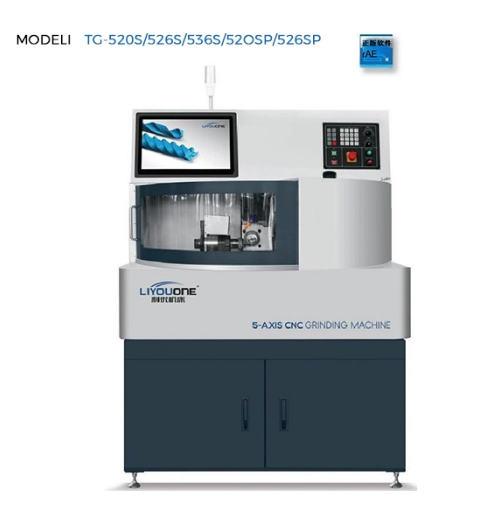
In the ever-evolving landscape of manufacturing and precision engineering, the CNC tool grinding machine has emerged as a pivotal technology. This machine is instrumental in the creation and maintenance of cutting tools used across various industries. The advent of CNC technology has revolutionized the way tools are ground, offering unprecedented precision and efficiency. For those interested in the technicalities and applications of CNC tool grinding machines, the 5-Axis CNC Tool Grinding Machine is a prime example of advanced engineering. This article delves into the intricacies of CNC tool grinding machines, exploring their mechanisms, applications, and the innovations they bring to various sectors.
CNC tool grinding machines are designed to manufacture and sharpen tools with high precision. These machines use computer numerical control (CNC) to automate the grinding process, ensuring consistent quality and reducing the need for manual intervention. The core components of a CNC tool grinding machine include the grinding wheel, workpiece holder, and the CNC control unit. The grinding wheel is the primary tool that performs the cutting action, while the workpiece holder secures the tool being ground. The CNC control unit orchestrates the entire process, translating digital instructions into precise movements of the grinding wheel and workpiece holder.
The functionality of CNC tool grinding machines hinges on their ability to execute complex grinding operations with high accuracy. These machines are equipped with multiple axes, allowing for intricate movements and adjustments. A 4-Axis CNC Tool Grinding Machine, for instance, can perform operations that require simultaneous movement along four different axes. This capability is crucial for grinding complex tool geometries and achieving the desired surface finish.
The grinding process begins with the selection of the appropriate grinding wheel, which is chosen based on the material and geometry of the tool. The CNC control unit then directs the grinding wheel to the tool, following a pre-programmed path. This path is meticulously calculated to remove material from the tool in a controlled manner, ensuring that the final product meets the specified dimensions and tolerances.
CNC tool grinding machines come in various configurations, each designed to cater to specific grinding requirements. The most common types include 4-axis and 5-axis machines. A 4-axis CNC tool grinding machine is typically used for simpler tool geometries, where fewer axes of movement are sufficient. In contrast, a 5-axis CNC tool grinding machine offers greater flexibility and precision, making it ideal for complex tool shapes and high-precision applications.
The choice between a 4-axis and a 5-axis machine depends on the complexity of the tools being manufactured or sharpened. For instance, a 5-axis machine is indispensable for producing tools with intricate geometries, such as those used in aerospace and medical industries. These machines can perform simultaneous movements along five different axes, allowing for the creation of complex shapes and surfaces with exceptional precision.
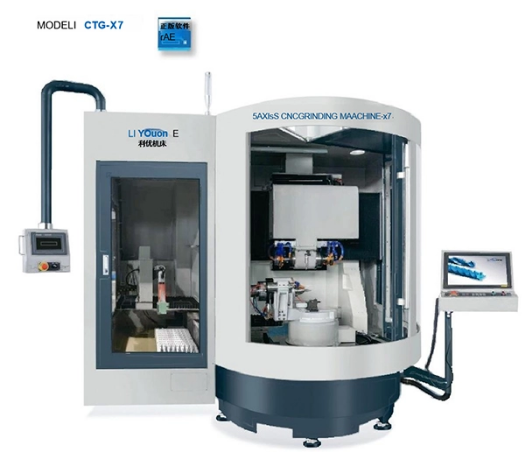
CNC tool grinding machines are integral to numerous industries, including automotive, aerospace, medical, and mold manufacturing. In the automotive industry, these machines are used to produce precision parts and components, such as engine parts and transmission systems. The high precision and efficiency of CNC grinding machines make them ideal for meeting the stringent quality and safety standards of the automotive sector.
In the medical field, CNC tool grinding machines are essential for manufacturing surgical instruments and implants. The precision offered by these machines ensures that medical devices meet the exacting standards required for patient safety and efficacy. Similarly, in the aerospace industry, CNC grinding machines are used to produce components that must withstand extreme conditions and stresses. The ability to grind complex shapes and materials with high precision is crucial for ensuring the reliability and performance of aerospace components.
One notable example of CNC tool grinding machines in action is their use in the production of turbine blades for jet engines. These blades require precise geometries and surface finishes to ensure optimal performance and fuel efficiency. CNC grinding machines are capable of producing these complex shapes with the necessary precision, making them indispensable in the aerospace industry.
Another example is the use of CNC tool grinding machines in the production of dental implants. These implants must be manufactured to exact specifications to ensure proper fit and function. CNC grinding machines provide the precision needed to produce dental implants that meet these stringent requirements, contributing to improved patient outcomes.
The advantages of CNC tool grinding machines are manifold. First and foremost, these machines offer unparalleled precision and accuracy. The use of CNC technology ensures that tools are ground to exact specifications, minimizing errors and inconsistencies. This precision is particularly important in industries where even the slightest deviation can have significant consequences, such as aerospace and medical manufacturing.
Another advantage is the efficiency and speed of CNC tool grinding machines. The automation of the grinding process reduces the need for manual intervention, allowing for faster production times and increased throughput. This efficiency translates to cost savings for manufacturers, as it reduces labor costs and minimizes downtime.
CNC tool grinding machines also offer versatility and flexibility. These machines can be programmed to grind a wide range of tool geometries and materials, making them suitable for various applications. This versatility is particularly valuable in industries where different types of tools are required for different processes.
Despite their numerous advantages, CNC tool grinding machines also present certain challenges and considerations. One of the primary challenges is the initial cost of investment. CNC tool grinding machines are sophisticated pieces of equipment that require a significant upfront investment. However, the long-term benefits and cost savings often justify this initial expense.
Another consideration is the need for skilled operators and technicians. While CNC technology automates much of the grinding process, skilled personnel are still required to program and maintain the machines. This requirement underscores the importance of training and education in the field of CNC machining.
Additionally, the complexity of CNC tool grinding machines can pose challenges in terms of maintenance and troubleshooting. Regular maintenance is essential to ensure the machines operate at peak performance and to prevent costly downtime. Manufacturers must be prepared to invest in maintenance and support services to maximize the lifespan and efficiency of their CNC tool grinding machines.
In conclusion, CNC tool grinding machines are a cornerstone of modern manufacturing, offering precision, efficiency, and versatility. These machines have transformed the way tools are manufactured and maintained, enabling industries to meet the demands of increasingly complex and high-precision applications. While challenges exist, the benefits of CNC tool grinding machines far outweigh the drawbacks, making them an indispensable asset in the manufacturing sector. For those seeking to enhance their machining capabilities, investing in a CNC tool grinding machine is a strategic decision that promises long-term rewards. For more information on these machines, consider exploring the offerings of a reputable CNC tool grinding machine manufacturer.
1. What is a CNC tool grinding machine?
A CNC tool grinding machine is a device that uses computer numerical control to automate the grinding process of tools, ensuring high precision and efficiency.
2. How does a 5-axis CNC tool grinding machine differ from a 4-axis one?
A 5-axis CNC tool grinding machine offers greater flexibility and precision, allowing for simultaneous movement along five different axes, making it ideal for complex tool shapes.
3. What industries benefit from CNC tool grinding machines?
Industries such as automotive, aerospace, medical, and mold manufacturing benefit from the precision and efficiency of CNC tool grinding machines.
4. What are the advantages of using CNC tool grinding machines?
Advantages include unparalleled precision, efficiency, speed, versatility, and reduced need for manual intervention.
5. What challenges do CNC tool grinding machines present?
Challenges include the initial cost of investment, the need for skilled operators, and the complexity of maintenance and troubleshooting.
6. How do CNC tool grinding machines contribute to the aerospace industry?
They produce components with complex shapes and materials with high precision, ensuring reliability and performance in extreme conditions.
7. Why is precision important in CNC tool grinding machines?
Precision ensures that tools meet exact specifications, minimizing errors and inconsistencies, which is crucial in industries like aerospace and medical manufacturing.


