
- All
- Product Name
- Product Keyword
- Product Model
- Product Summary
- Product Description
- Multi Field Search
English
Views: 0 Author: Site Editor Publish Time: 2025-08-20 Origin: Site


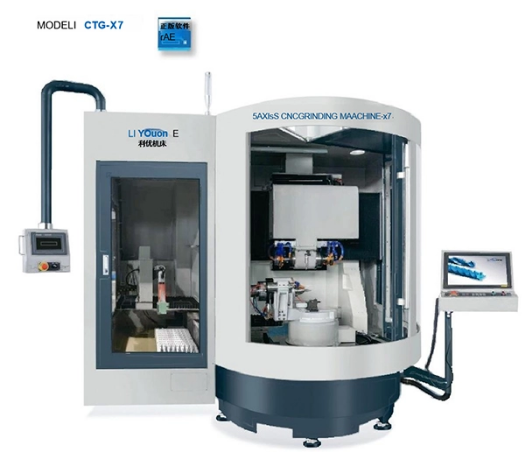
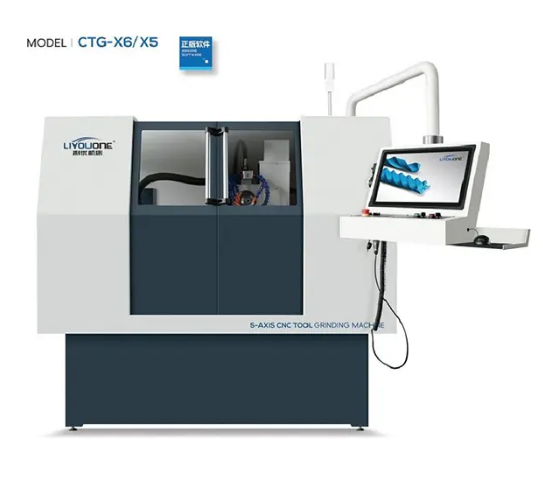
The CNC tool grinding machine is a pivotal component in the manufacturing sector, offering precision and efficiency in tool production. As industries evolve, the demand for high-quality and precise tools increases, making the maintenance of these machines crucial for optimal performance. This article delves into the intricacies of maintaining CNC tool grinding machines, focusing on both 5-Axis CNC Tool Grinding Machines and 4-Axis CNC Tool Grinding Machines. For more insights on the specific models, you can explore the 5-Axis CNC Tool Grinding Machine and 4-Axis CNC Tool Grinding Machine.
CNC tool grinding machines are designed to produce precision tools with high accuracy. These machines are integral in industries such as automotive, aerospace, and medical manufacturing. They offer the ability to grind complex shapes and materials, ensuring that tools meet stringent specifications. The 5-Axis CNC Tool Grinding Machine provides enhanced flexibility and precision, while the 4-Axis variant offers a balance between complexity and cost-effectiveness.
The primary components of a CNC tool grinding machine include the grinding wheel, worktable, spindle, and control system. The grinding wheel is responsible for the actual grinding process, while the worktable holds the tool in place. The spindle rotates the grinding wheel, and the control system manages the machine's operations. Understanding these components is essential for effective maintenance and troubleshooting.
Regular maintenance of CNC tool grinding machines is crucial to ensure their longevity and optimal performance. Neglecting maintenance can lead to machine downtime, reduced precision, and increased operational costs. By adhering to a regular maintenance schedule, manufacturers can prevent these issues and maintain high productivity levels.
Preventive maintenance involves routine inspections and servicing to prevent potential issues. Key strategies include regular cleaning, lubrication of moving parts, and checking for wear and tear. Implementing a preventive maintenance plan can significantly reduce the risk of unexpected breakdowns and extend the machine's lifespan.
Despite regular maintenance, CNC tool grinding machines may encounter issues. Common problems include grinding wheel wear, spindle issues, and control system malfunctions. Understanding how to troubleshoot these problems is essential for minimizing downtime and maintaining productivity.
Grinding wheel wear is a common issue that affects the precision of the grinding process. Regularly inspecting the grinding wheel for signs of wear and replacing it when necessary is crucial. Additionally, ensuring the wheel is properly balanced can prevent uneven wear and improve grinding accuracy.
The spindle is a critical component of the CNC tool grinding machine. Issues with the spindle can lead to reduced precision and increased wear on the grinding wheel. Regularly checking the spindle for alignment and lubrication can prevent these problems and ensure smooth operation.
To achieve optimal performance, manufacturers can employ advanced techniques such as machine calibration, software updates, and operator training. These techniques can enhance the machine's capabilities and ensure it operates at peak efficiency.
Regular calibration of the CNC tool grinding machine is essential for maintaining precision. Calibration involves adjusting the machine's settings to ensure it produces tools within specified tolerances. This process can be complex, requiring specialized equipment and expertise.
Keeping the machine's software up to date is crucial for optimizing performance. Software updates can provide new features, improve efficiency, and fix bugs. Manufacturers should regularly check for updates from the CNC tool grinding machine manufacturer and install them promptly.
Maintaining CNC tool grinding machines is essential for ensuring their longevity and optimal performance. By implementing regular maintenance schedules, troubleshooting common issues, and employing advanced techniques, manufacturers can maximize their investment in these machines.
1. What are the key components of a CNC tool grinding machine?
The key components include the grinding wheel, worktable, spindle, and control system.
2. Why is regular maintenance important for CNC tool grinding machines?
Regular maintenance ensures the machine's longevity, optimal performance, and prevents unexpected breakdowns.
3. How can grinding wheel wear be minimized?
Regular inspection and replacement of the grinding wheel, along with proper balancing, can minimize wear.
4. What advanced techniques can optimize machine performance?
Advanced techniques include machine calibration, software updates, and operator training.
5. How often should machine calibration be performed?
Calibration frequency depends on machine usage, but regular checks are recommended to maintain precision.
6. What role does software play in CNC tool grinding machines?
Software manages machine operations, and updates can enhance features and efficiency.
7. Where can I find more information on specific CNC tool grinding machines?
For more details, visit the 5-Axis CNC Tool Grinding Machine and 4-Axis CNC Tool Grinding Machine pages.


