
- All
- Product Name
- Product Keyword
- Product Model
- Product Summary
- Product Description
- Multi Field Search
English
Views: 0 Author: Site Editor Publish Time: 2025-11-25 Origin: Site


CNC tool grinders are essential for producing high-precision cutting tools in industries like aerospace, automotive, and mold making. These machines use Computer Numerical Control (CNC) technology to achieve tight tolerances and complex geometries, making them vital for modern manufacturing.
Understanding the basics of operating a CNC tool grinder is crucial for both novice operators and manufacturers. Mastering these fundamentals ensures the grinder runs efficiently, improves tool quality, and boosts overall production speed. Proper setup, programming, and machine maintenance are key to reducing errors and downtime.
For manufacturers, learning how to effectively operate CNC tool grinders enhances productivity, reduces material waste, and extends tool lifespan. Mastering these basic operations helps maintain high standards of quality and ensures a competitive edge in precision manufacturing.
A CNC tool grinder is a machine used for grinding, sharpening, and shaping cutting tools in manufacturing. It operates using Computer Numerical Control (CNC) technology, allowing for precise, automated grinding based on programmed instructions.
CNC tool grinders use a rotating grinding wheel and a control system to guide the grinding process. The machine follows computer programs to perform precise grinding operations, producing accurate tool geometries. The machine operates automatically, reducing the need for manual adjustments.
Key components:
Grinding Wheel: Used for sharpening or shaping tools.
Control System: Guides the machine's movements.
Tool Holder: Secures the tool during grinding.
The CNC system moves the grinding wheel along multiple axes, ensuring precision and consistency in tool production.
CNC grinders are known for their precision, ensuring tools are ground to exact specifications. The automation of the grinding process reduces human error and maintains repeatable quality. CNC grinders can handle complex tool shapes, which is crucial for industries requiring high-precision tools, such as aerospace, automotive, and mold making.
CNC grinders offer clear advantages over traditional grinding machines:
Automation: Unlike traditional grinders, CNC machines operate automatically, reducing manual labor and allowing continuous production.
Precision: CNC grinders can achieve higher accuracy and consistency, making them ideal for complex geometries and tight tolerances.
Flexibility: CNC machines can easily adapt to various tool types and geometries, whereas traditional machines are limited in versatility.
Efficiency: CNC grinders reduce setup time and tool changes, increasing overall production speed.
A CNC tool grinder is a machine used to sharpen, shape, and maintain cutting tools such as drills, end mills, and custom tooling. It utilizes computer numerical control (CNC) to perform precise grinding operations with high accuracy and repeatability.
Setup: The tool is installed into the holder, and the correct grinding wheel is selected. The machine is calibrated based on the required dimensions and tool geometry.
Programming: The machine is programmed using a computer interface. The operator enters tool specifications and grinding parameters, and the machine follows the program automatically.
Grinding: The machine grinds the tool by moving the grinding wheel along multiple axes, achieving precise shapes and sharpness.
Spindle: Holds and rotates the grinding wheel at high speeds.
Motor: Powers both the grinding wheel and workpiece rotation, adjusting speeds as needed.
Control System: Directs the machine's movements based on the programmed instructions, ensuring precision.
Cooling System: Reduces heat buildup during grinding to protect both the tool and machine components.
CNC tool grinders can handle a variety of tasks:
Sharpening Drills: Drills are sharpened to precise angles for efficient cutting.
Grinding End Mills: CNC grinders resharpen end mills for smooth and accurate milling.
Custom Tooling: The machine can also create or sharpen specialized tools for specific applications.
Regrinding Other Tools: Tools like taps, reamers, and inserts can be processed to extend their life.
Precision: Offers high accuracy and repeatability, ideal for tight tolerances.
Efficiency: Reduces setup time and increases production speed.
Complex Geometries: Capable of grinding intricate shapes and custom tooling.
Reduced Error: Automation minimizes human error, ensuring consistent quality.
CNC tool grinders are complex machines with several key components working together to achieve precise tool sharpening and shaping. Here's an overview of the essential parts that ensure high performance and accuracy.
The grinding wheel is responsible for removing material from the workpiece. Made of abrasive particles, it shapes the tool by grinding its surface.
Function: The hardness and abrasiveness can be tailored to different materials (e.g., steel, carbide).
Importance: A sharp, well-chosen wheel ensures precise sharpening and correct tool geometry.
The CNC control system directs the entire grinding process, dictating movement and grinding parameters like speed and feed rates.
Function: It processes programming inputs to move the grinding wheel and workpiece holder, ensuring precision.
Importance: A reliable control system enables high-accuracy and repeatability in complex grinding tasks.
The workpiece holder keeps the tool steady during grinding, ensuring proper alignment.
Function: Adjustable to hold various tool sizes securely in place during grinding.
Importance: Proper alignment ensures consistent, accurate results and prevents errors in tool geometry.
The coolant system maintains temperature control during grinding, reducing heat buildup.
Function: It circulates coolant fluid to keep the grinding wheel and tool cool and prevent overheating.
Importance: Effective cooling prevents tool wear and maintains machine performance over long periods.
These components work in unison to ensure the desired result:
Precision: The grinding wheel and control system collaborate to grind the tool with high accuracy, while the workpiece holder ensures alignment.
Consistency: Automated control and high-quality components guarantee repeatable results.
Cooling: The coolant system prevents overheating and damage, maintaining optimal operation.
Quality components are crucial for the grinder’s performance:
They reduce wear and maintenance needs.
They ensure precise, consistent grinding.
They improve the overall lifespan and reliability of the CNC tool grinder.
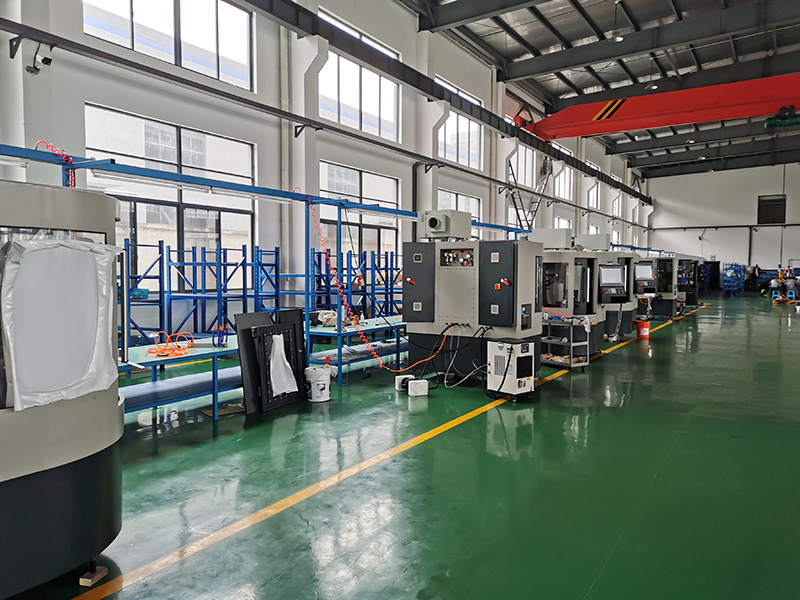
Operating a CNC tool grinder involves key steps to ensure precision and efficiency. Here’s a concise guide covering setup, programming, grinding, and post-operation tasks.
Machine Calibration:
Calibrate the CNC grinder to ensure proper alignment of the spindle, tool holder, and grinding wheel.
Workpiece Placement:
Secure the tool in the holder. Proper placement is essential for alignment and accuracy.
Grinding Wheel Setup:
Select and install the correct grinding wheel for the tool and material. Check for damage or imbalance.
Cooling System Check:
Ensure the coolant system is operational to prevent overheating during grinding.
Input Tool Parameters:
Enter the tool dimensions (diameter, length, type) into the CNC system.
Select Grinding Wheel:
Choose the appropriate grinding wheel for the material and tool type.
Set Speeds and Feeds:
Program the spindle speed, feed rate, and depth of cut based on material and finish requirements.
Create Grinding Paths:
Define the necessary grinding angles and paths for the tool.
Start Grinding:
Activate the CNC grinder to begin the grinding process.
Monitor the Process:
Observe the grinding to ensure smooth operation, checking for issues like excessive heat or vibration.
Check Tool Accuracy:
Periodically inspect the tool’s dimensions and surface finish.
Tool Quality Check:
Inspect the finished tool using measuring instruments to ensure it meets specifications.
Machine Condition Check:
Inspect the grinder for wear and check the grinding wheel and coolant system.
Maintenance:
Clean the machine, lubricate parts, replace worn wheels, and recalibrate as needed.
Operating a CNC tool grinder efficiently requires attention to safety, productivity, and machine maintenance. Here are some essential best practices for optimal operation.
Proper Training & PPE:
Ensure operators are trained and equipped with safety gear (goggles, gloves, ear protection).
Clean Work Area:
Keep the workspace tidy to prevent accidents and ensure smooth operation.
Emergency Stops:
Be familiar with emergency stop procedures and ensure they are functional.
Regular Inspections:
Check the grinder for wear or damage before starting to ensure safe operation.
Optimize Parameters:
Adjust feed rates and cutting speeds to suit the material, reducing wear and improving efficiency.
Minimize Tool Change Time:
Keep tools organized for quick access, and use automatic tool changers if available.
Right Grinding Wheel:
Choose the correct grinding wheel for each task to prevent excessive wear on tools and wheels.
In-Process Measurement:
Use probes to monitor tool dimensions, reducing scrap and rework.
Daily Cleaning:
Clean the machine after each use to remove debris and coolant residues.
Lubrication & Calibration:
Lubricate moving parts regularly and calibrate the machine to maintain precision.
Grinding Wheel Care:
Regularly dress and replace grinding wheels to maintain performance.
Coolant System Maintenance:
Replace coolant fluid regularly to prevent overheating and ensure optimal grinding conditions.
Professional Servicing:
Schedule periodic checks by professionals to ensure the machine remains in peak condition.
CNC grinders offer automation and precision, allowing for complex geometries and consistent results with minimal human intervention. Manual grinders rely on the operator's skill for control, leading to more variability and slower setups.
Basic CNC programming knowledge is needed. While formal training is beneficial, modern CNC grinders feature user-friendly interfaces that simplify the learning process.
Yes, CNC grinders can handle various tools, including drills, taps, and end mills, and work with different materials like high-speed steel and carbide.
Proper setup includes selecting the correct grinding wheel, entering accurate parameters, securing the workpiece, and calibrating the machine. Regular maintenance checks also ensure consistent performance.
CNC tool grinders are a vital asset for modern manufacturing, offering enhanced precision, efficiency, and versatility compared to traditional manual grinding methods. With the ability to handle a wide variety of tools and materials, these machines support industries ranging from aerospace to automotive. While some specialized training is required, the user-friendly interfaces and automated processes make CNC grinders accessible to operators at various skill levels. By following best practices for setup and maintenance, manufacturers can ensure optimal performance, reduce tool wear, and improve overall production quality. Investing in a CNC tool grinder ultimately enhances productivity, ensuring a competitive edge in the market.


